Fall Lawn Care Guide
Wondering how to care for your lawn this Fall? This guide will help answer the most common questions you may have about Fall lawn care in Northern New Jersey.
Why is Fall the Best Time To Improve my Lawn?
Fall provides the ideal conditions for cool-season lawns to recover from summer stress and prepare for winter. Warm soil, cooler temperatures, and more consistent moisture encourage strong root development, while annual weeds begin to slow as the growing season comes to an end. This combination creates the best opportunity of the year for seeding, repairing damaged turf, and building a thicker, healthier lawn before spring.
Why Does My Lawn Look Worse Coming Out of Summer?
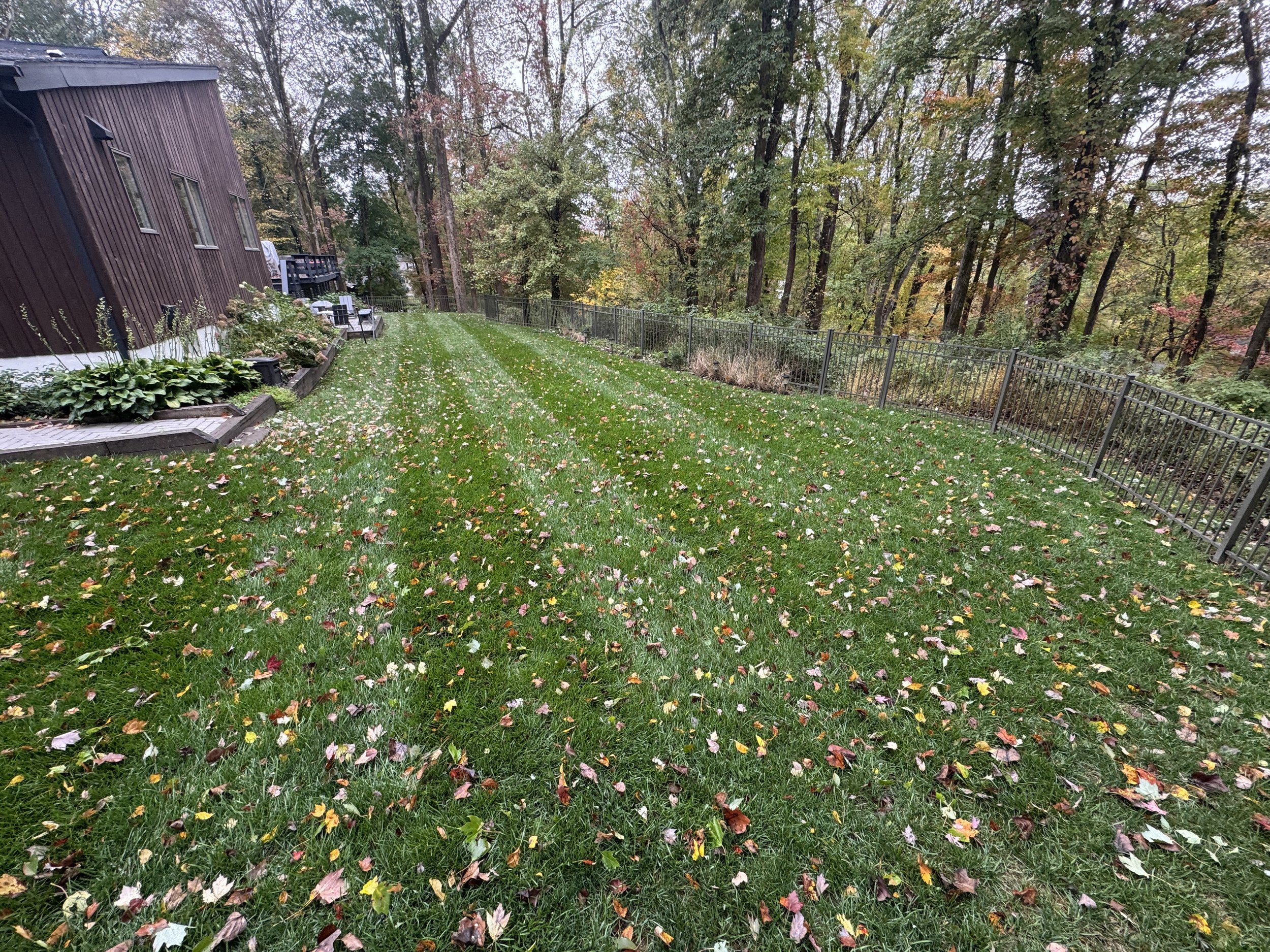
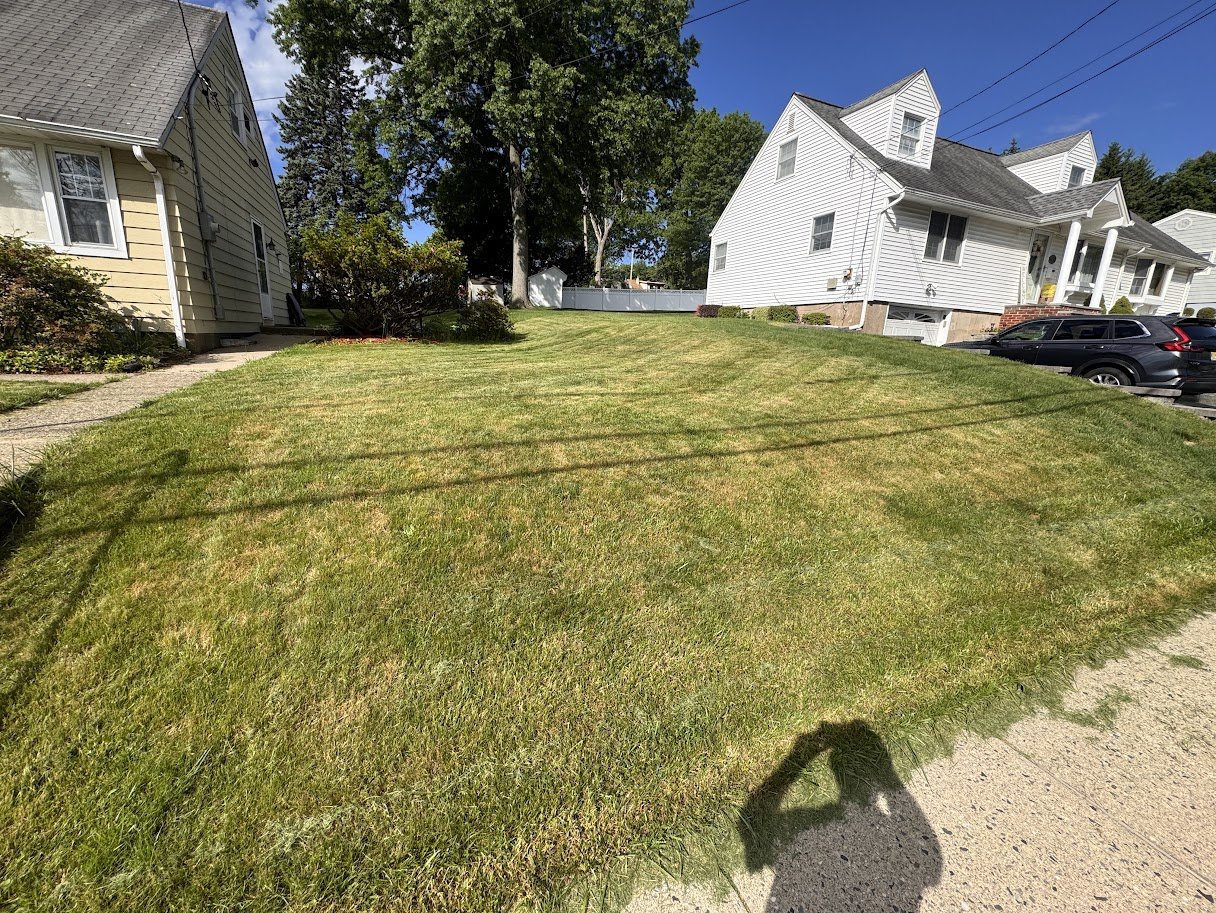
Cool-season grasses naturally slow their growth during the summer as temperatures rise. Combined with heat, drought, soil compaction, disease pressure, insect activity, and everyday wear, lawns often emerge from summer thinner and less healthy than they were in spring. Fortunately, fall provides the ideal conditions to reverse much of this damage.
Should I Aerate My Lawn?
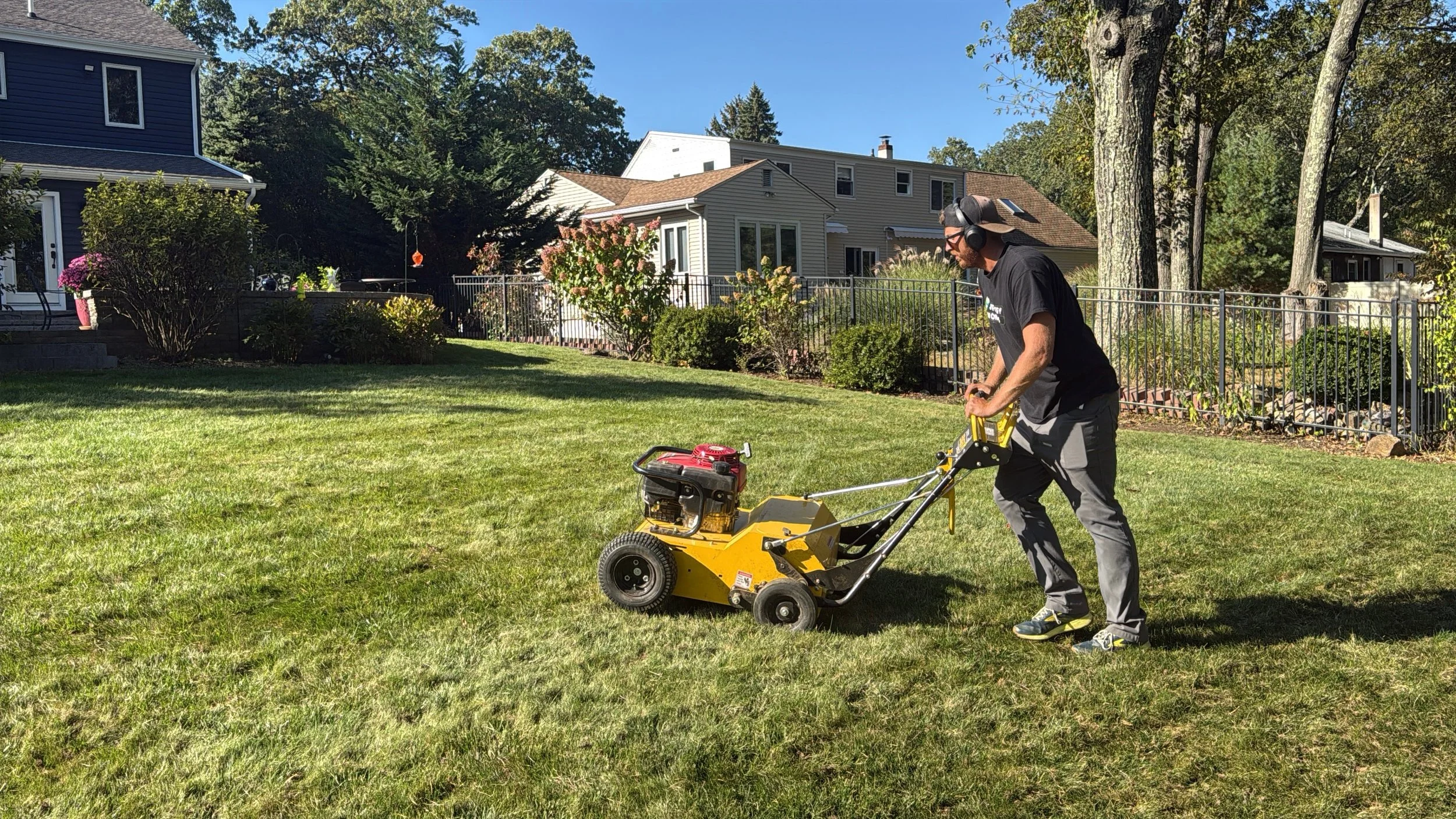
Not every lawn needs core aeration every year, but the vast majority of lawns benefit from it. Over time, foot traffic, mowing, rainfall, and naturally dense soils can cause the ground to become compacted, restricting the movement of air, water, and nutrients into the root zone. Core aeration relieves this compaction by removing small plugs of soil, creating a healthier environment for stronger roots and improved overall lawn health.
Do I Need to Overseed?
Even healthy lawns benefit from overseeding. Over time, individual grass plants age, thinning can occur, and turf density naturally declines. Overseeding replenishes your lawn with new grass plants, improving thickness, enhancing appearance, and helping crowd out weeds. Fall provides the best conditions for seed germination, with warm soil, cooler temperatures, and reduced weed competition giving new grass the greatest chance to establish successfully.
What is Compost Topdressing, and is it Worth It?
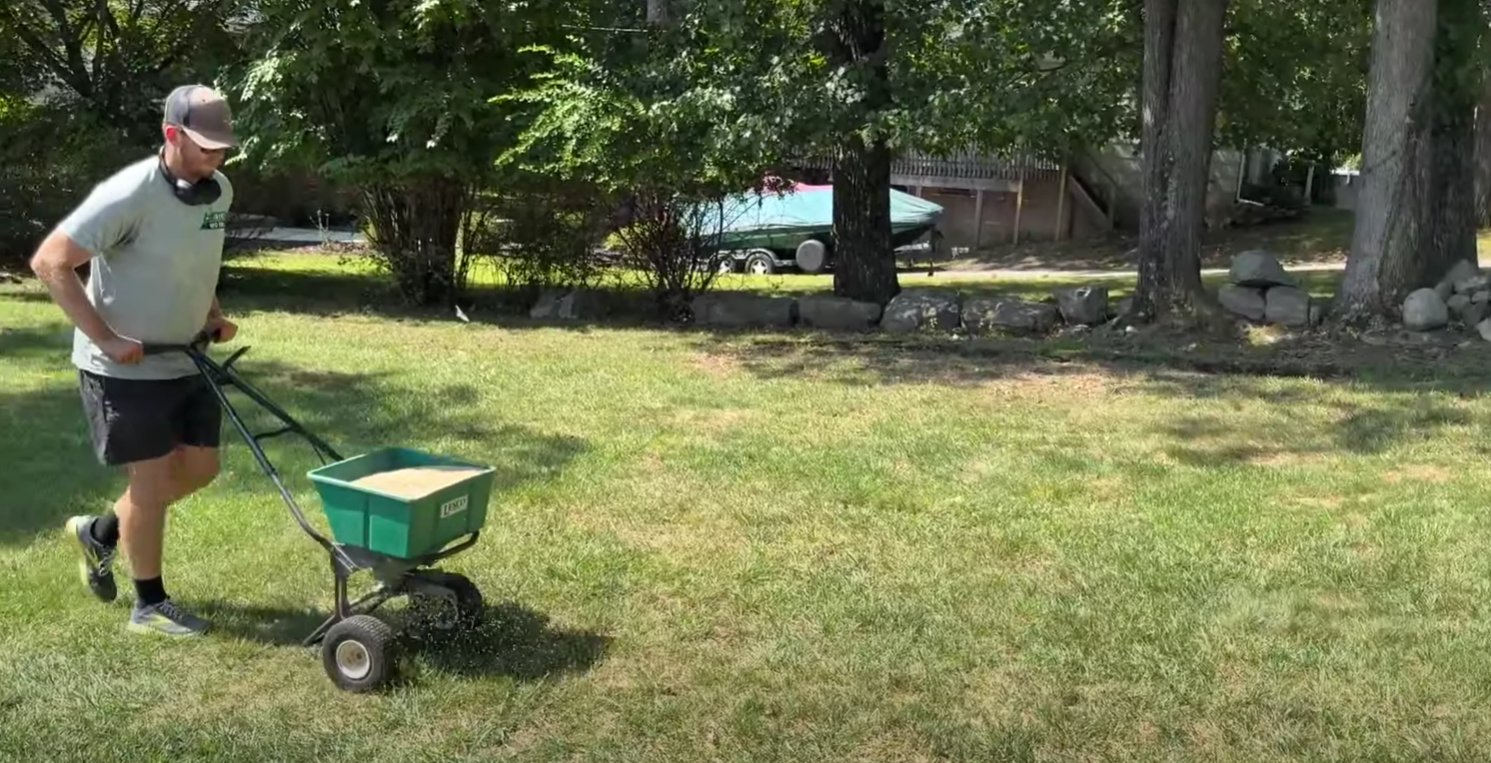
Compost topsoil creates an ideal environment for establishing new grass. Applied as a thin layer over the lawn, it forms a high-quality seedbed that improves seed-to-soil contact, retains moisture, and gives new seedlings the best chance to germinate and establish. It also adds organic matter, improves soil structure, supports beneficial soil biology, and helps build healthier soil for long-term lawn performance.
Does My Lawn Need to be Dethatched?
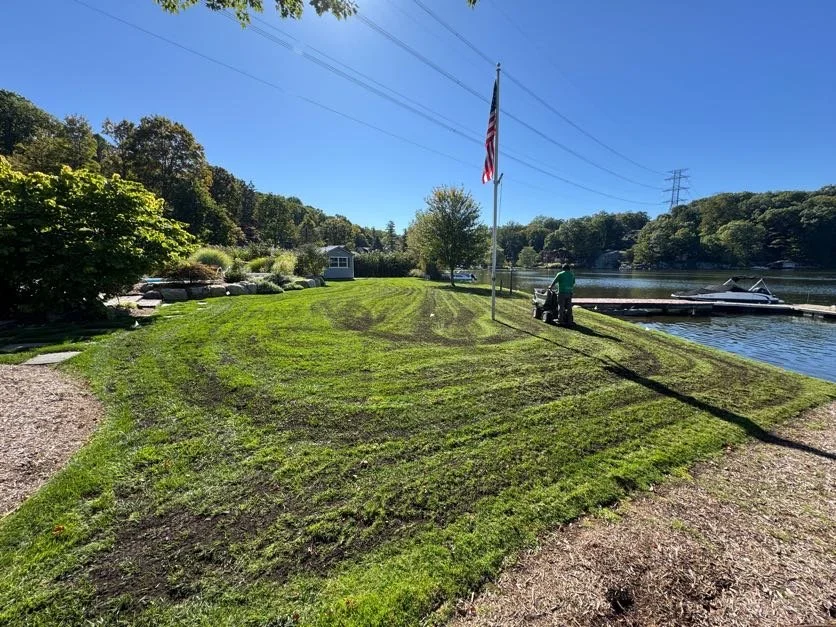
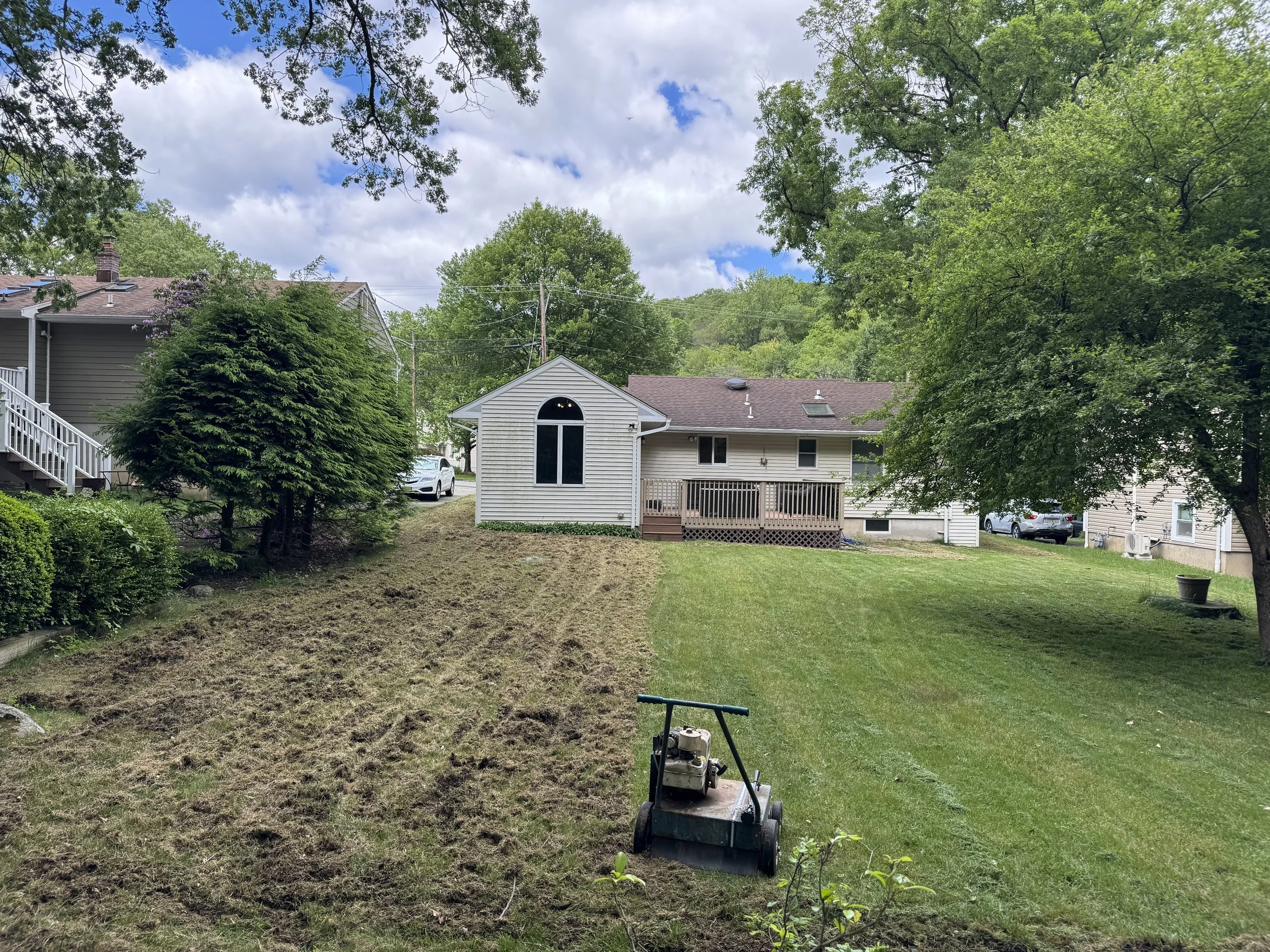
Not every lawn needs to be dethatched. Thatch is a layer of living and dead stems, roots, and other organic material that naturally accumulates between the grass and the soil. A thin layer is actually beneficial, helping insulate the soil and retain moisture. However, when that layer becomes too thick, it can prevent water, air, nutrients, and grass seed from reaching the soil. Dethatching removes this excess buildup, improving seed-to-soil contact and creating better conditions for healthy root growth and new grass establishment.
When Should I Fertilize my Lawn?
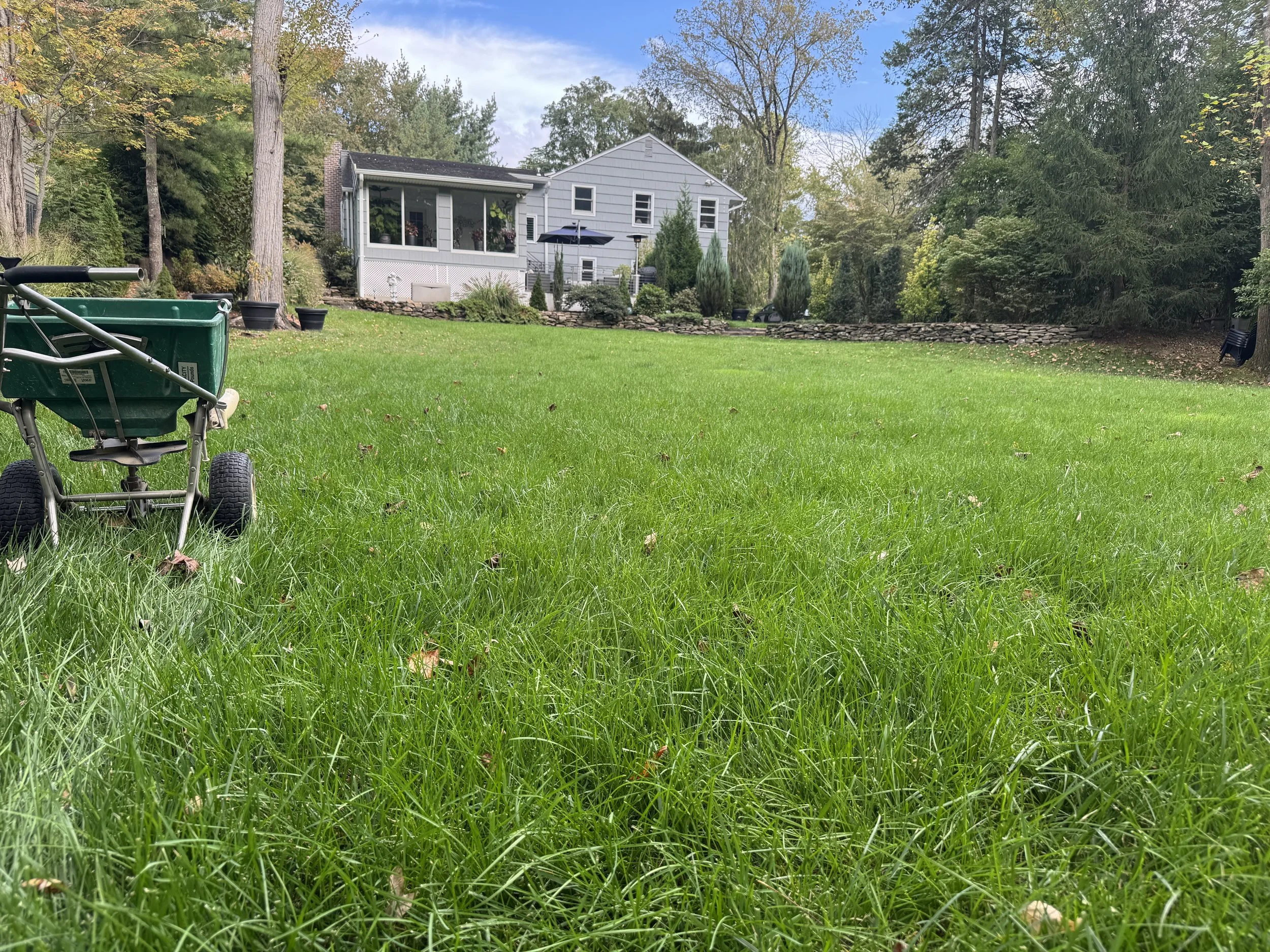
Fall is the ideal time to fertilize your lawn. An early fall application helps the lawn recover from summer stress and supports root development and new grass establishment. A late fall application provides nutrients that are stored through the winter, resulting in a healthier lawn and a stronger green-up the following spring.
What is Lime, and Does my Lawn Need It?
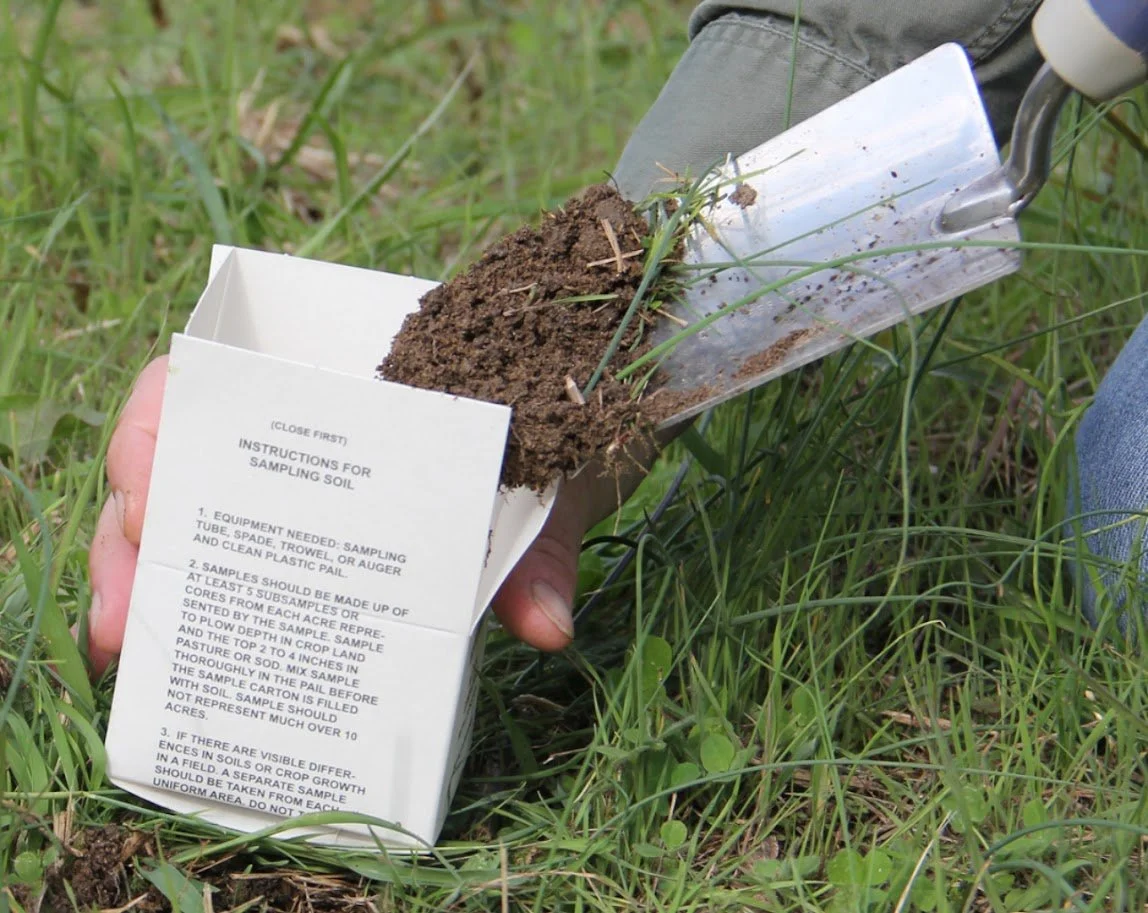
Lime doesn't feed your lawn—it improves the soil by correcting acidic pH. Since most lawns in our area naturally become acidic over time, the vast majority benefit from periodic lime applications. When soil pH is in the proper range, grass can make better use of the nutrients already present in the soil, resulting in stronger roots, healthier growth, and a more resilient lawn. A soil test is still the best way to determine your lawn's exact needs.
How Should I Water My Lawn in the Fall?
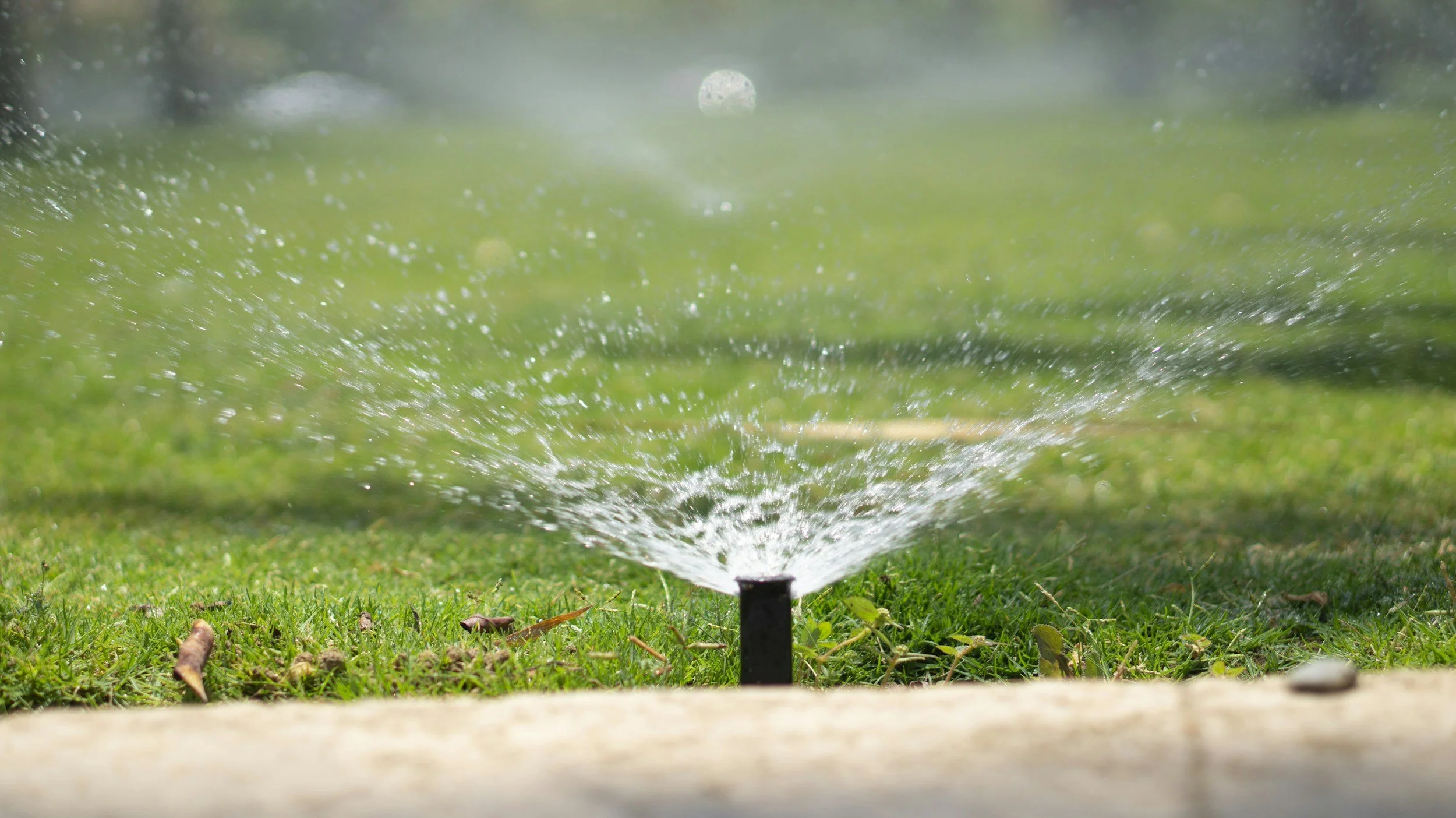
Watering needs vary depending on whether your lawn has been seeded. Newly seeded lawns should be watered lightly and frequently to keep the seedbed consistently moist during germination. Established lawns benefit from deeper, less frequent watering, allowing moisture to soak into the soil and encourage deeper root growth. As temperatures cool and rainfall becomes more consistent, irrigation can often be reduced.
When Should I Stop Mowing?
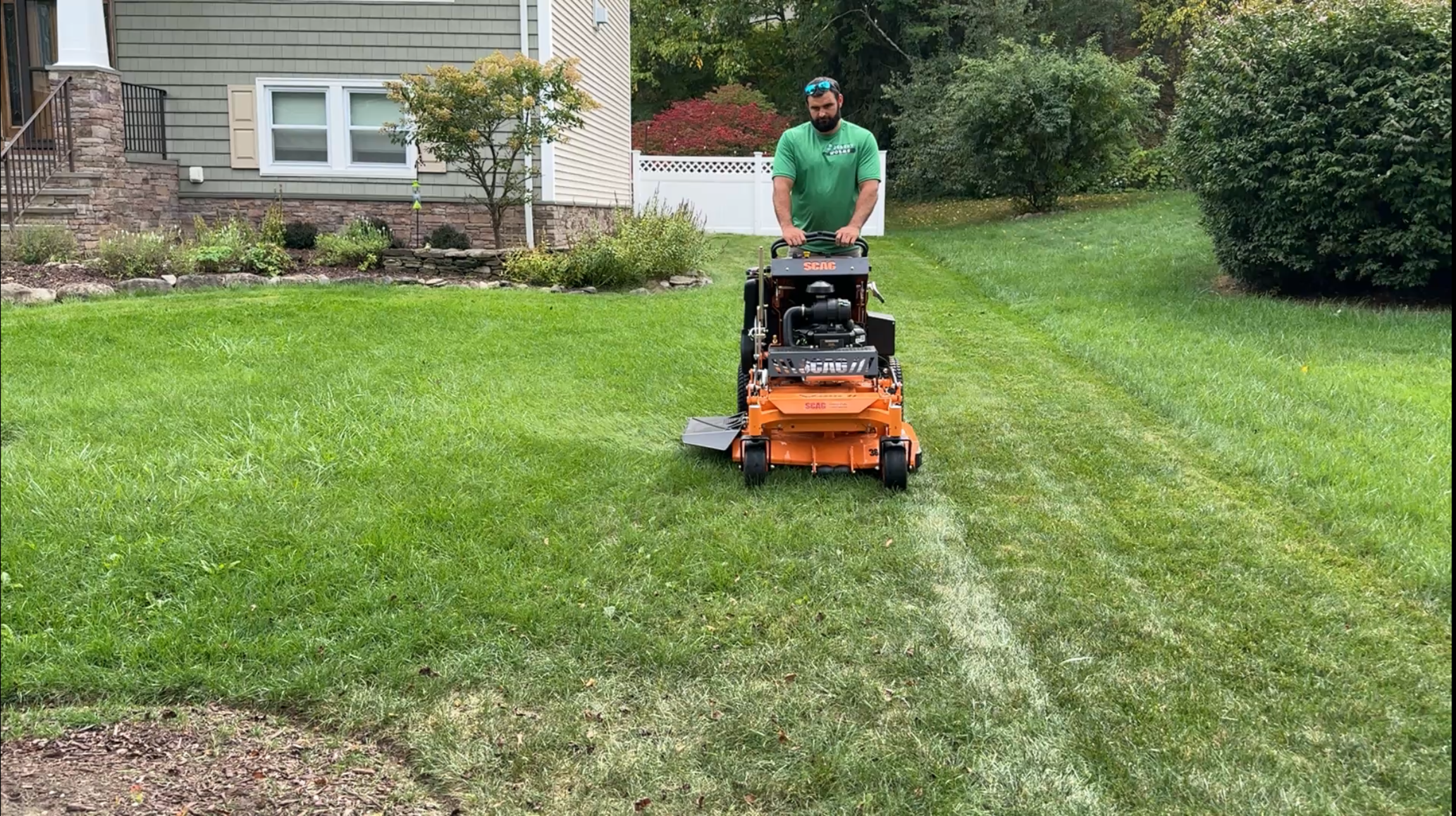
Continue mowing as long as your lawn is actively growing. As temperatures cool, grass growth naturally slows, and mowing becomes less frequent. The final mowing of the season typically occurs in late fall, once the lawn has stopped growing. Throughout the fall, maintain a mowing height of approximately 3 to 4 inches to encourage healthy root development. For the final mow before winter, lowering the height slightly to around 2½ to 3 inches can help reduce the risk of snow mold while still protecting the lawn.
What Should I Do Before Winter?
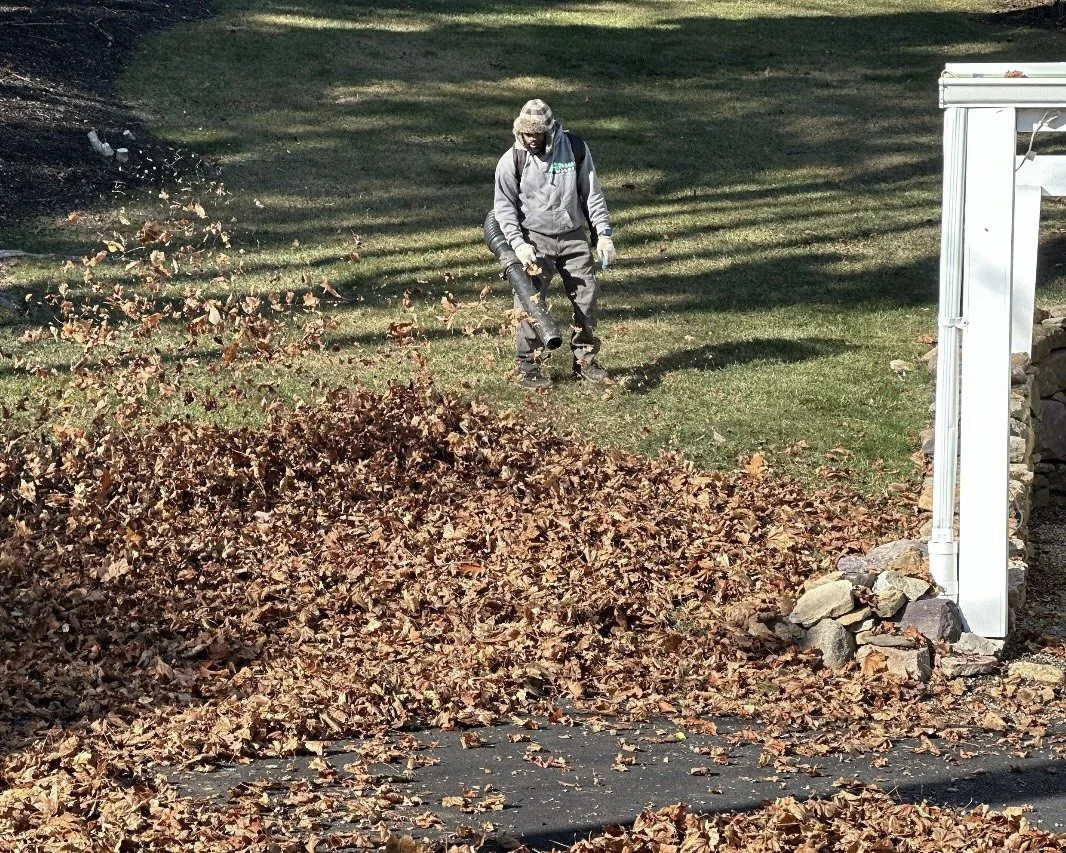
Preparing your lawn for winter is about setting it up for success next spring. Continue mowing as needed until growth stops, remove fallen leaves so they don't smother the grass, and ensure your lawn receives adequate moisture before the ground freezes if rainfall has been limited. Completing fall fertilization, addressing soil pH with lime when needed, and giving newly seeded areas time to establish before winter will help your lawn emerge healthier, thicker, and more resilient the following spring.